Film Guides / How movies are made
Visual effects (VFX)
From in-camera tricks and optical printers to CGI, motion capture and LED volumes, how movies show what cannot be filmed.
Visual effects let filmmakers show things that are too dangerous, too expensive or simply impossible to film. They are as old as cinema itself, and today they appear in almost every film, including many dramas where you would never notice them.
Practical effects versus visual effects
The industry separates two families:
- Special effects (SFX) or practical effects happen on set in front of the camera: rain machines, controlled fire, breakaway glass, animatronic creatures, miniatures and prosthetic makeup.
- Visual effects (VFX) are created or combined after the shoot, today almost always by computer.
The best results often mix both. A practical creature on set gives actors something real to react to, and VFX later removes the rods and adds detail.
A short history of effects
| Era | Key techniques | Notes |
|---|---|---|
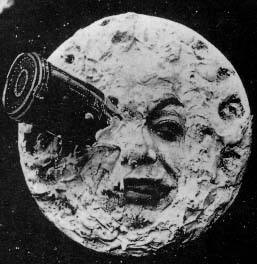
| 1890s to 1910s | Stop tricks, multiple exposure, painted sets | Georges Melies made a whole career from these. See Georges Melies |
| 1910s to 1960s | Glass shots, matte paintings, rear projection, stop-motion | Stop-motion dinosaurs appeared in The Lost World (1925) |
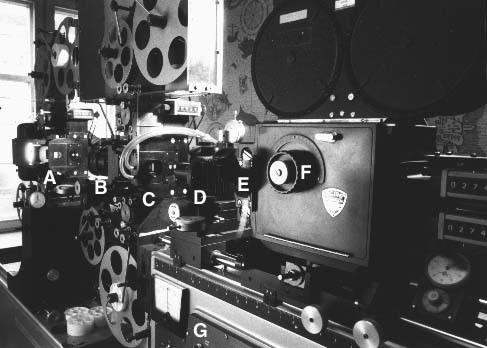
| 1930s to 1980s | Optical printer compositing, blue screen | Combined separate film elements frame by frame |
| 1970s to 1980s | Motion-control cameras, detailed miniatures | Exact repeatable camera moves for layered shots |
| 1990s onward | Computer-generated imagery (CGI), digital compositing | Photorealistic creatures and digital environments |
| 2000s onward | Performance capture, digital crowds | Actors' movements drive digital characters |
| 2020s | LED volumes and virtual production | Digital backgrounds shown live on set |
Green screen and compositing
In chroma key shooting, actors perform in front of an evenly lit green or blue background. Software removes that color and replaces it with another image. Green is common because digital sensors capture it with the least noise and it rarely matches costumes or skin tones. Blue is still used, for example when a scene has a lot of green in it.
Compositing is the general craft of combining many image layers into one believable shot: live action, CGI, smoke, sky replacements and lens effects. Compositors match lighting, grain, focus and color so all the pieces feel as if they were filmed together.
CGI step by step
A fully computer-generated creature typically passes through these departments:
- Modeling: building the 3D shape.
- Texturing: painting skin, scales, fabric or metal.
- Rigging: adding a digital skeleton and controls.
- Animation: performing the movement, by hand or from motion capture.
- Simulation: hair, cloth, water, fire and destruction.
- Lighting and rendering: lighting the digital scene to match the plate and calculating the final images.
- Compositing: blending everything into the filmed shot.
Motion and performance capture
Actors wear suits with markers, and cameras track their movements. Performance capture also records facial expressions with head-mounted cameras, so the actor's whole performance drives a digital character.
Virtual production and LED volumes
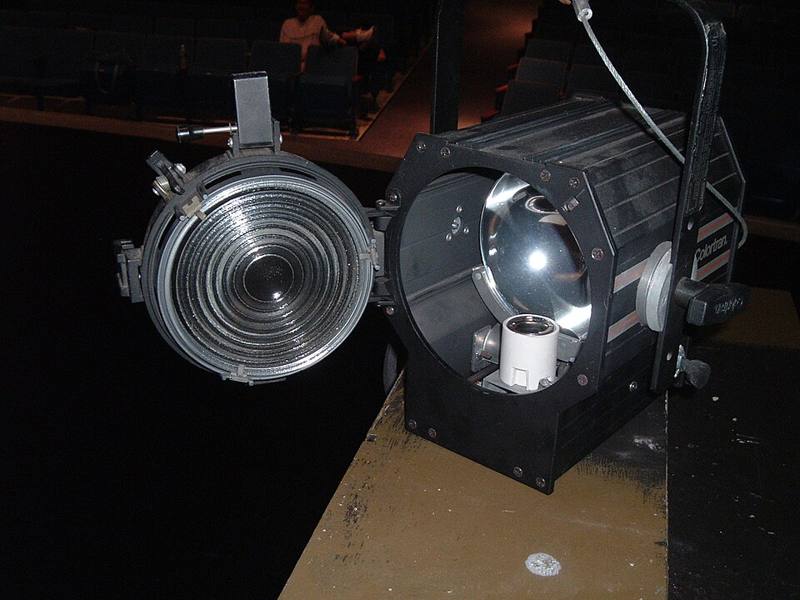
An LED volume is a stage surrounded by huge LED walls showing a 3D environment that shifts its perspective as the camera moves. Because the screen gives off real light, actors are lit by the digital world around them, with accurate reflections. It reduces the need for green screen in some scenes. Read more about light on set in lighting.
Many invisible effects are simply "cleanup": removing safety wires, modern signs from period streets, or a crew member reflected in a window.
Why effects sometimes look fake
Effects usually look wrong when lighting does not match, when objects lack weight and physics, or when a rushed schedule leaves no time for refinement. The craft is less about software and more about careful observation of the real world.