Film Guides / Film formats and cinema tech
Film formats and cinema tech
35mm and 70mm, IMAX, Dolby Atmos, 3D, 4DX, ScreenX, projection, frame rates and aspect ratios.
Your ticket might say IMAX, Atmos, 4DX or ScreenX. These guides explain what each format really does to the picture and the sound, where it came from, and which kind of film it suits best.
 Cinema tech35mm and 70mm film explainedWhat the numbers mean, why 35mm became the world standard for a century, and why 70mm screenings still sell out.
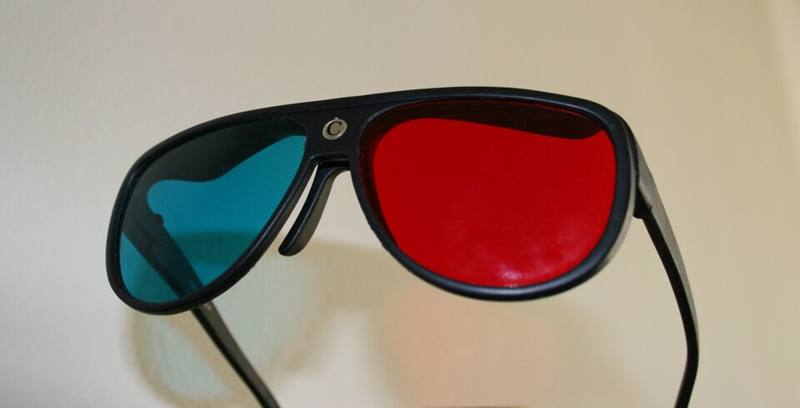 Cinema tech3D, 4DX, ScreenX and premium formats comparedHow 3D glasses work, what 4DX motion seats and ScreenX side screens add, and a side-by-side table of every premium cinema format.Cinema techAspect ratios explainedWhat 1.85:1, 2.39:1, 1.43:1 and 16:9 mean, how the shape of the screen changed through film history, and why some movies have black bars at home.Cinema techDolby Atmos and cinema soundHow cinema sound grew from mono to surround to object-based audio, and what Dolby Atmos and Dolby Cinema actually add to a screening.Cinema techFrame rates explainedWhy movies run at 24 frames per second, what silent films really ran at, how TV differs, and what high frame rate releases at 48 and 120 frames per second change on screen.
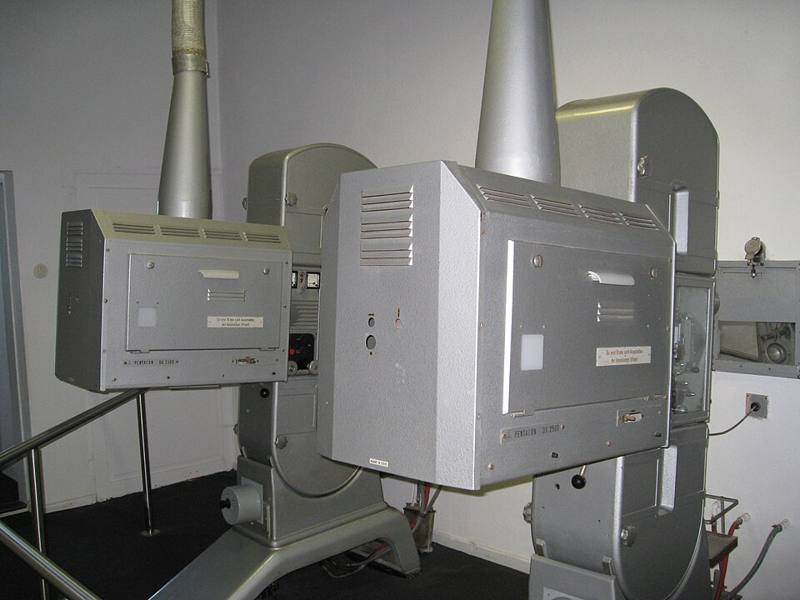 Cinema techHow cinema projection worksFrom carbon arcs and film reels to DCPs, encryption keys and laser projectors, here is how a film gets from the distributor to the screen.Cinema techIMAX explainedWhat makes IMAX different from a normal big screen: the giant 15/70 film frame, the taller 1.43:1 image, laser projection and the sound system.