Film Guides / Film formats and cinema tech
Frame rates explained
Why movies run at 24 frames per second, what silent films really ran at, how TV differs, and what high frame rate releases at 48 and 120 frames per second change on screen.
A movie is a series of still pictures shown quickly enough that your brain blends them into motion. The number of pictures shown each second is the frame rate, measured in frames per second (fps). For almost a century the standard for cinema has been 24 fps, and that number shapes the look we think of as "cinematic."
Before 24: the silent era
Early cameras were cranked by hand, so frame rates varied. Many silent films were shot somewhere around 16 to 20 frames per second, and projectionists often ran them faster, sometimes on instruction from the studio. There was no single standard because there was no soundtrack to keep in sync. That is one reason silent films can look sped up when shown at the wrong rate today. See the silent era.
Why 24 became the standard
Synchronized sound arrived in the late 1920s (see the talkies). Sound recorded optically on the film strip needed a constant speed, and the speed had to be fast enough for acceptable audio quality. The industry settled on 24 fps, a compromise between smooth sound and motion and the cost of film stock. It has remained the cinema standard ever since, carried over into digital cinema.
Frame rate vs flicker
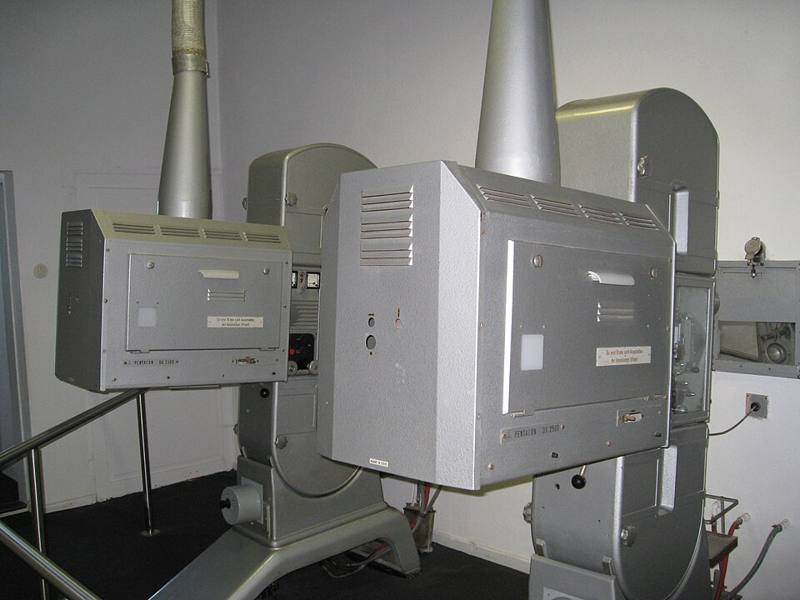
Showing just 24 flashes of light a second would produce visible flicker. Film projectors solve this with a rotating shutter that flashes each frame two or three times, giving 48 or 72 flashes per second while still showing only 24 different pictures. Digital projectors use similar techniques. See projection.
Common frame rates compared
| Frame rate | Where it is used | Look and feel |
|---|---|---|
| 24 fps (23.976 on many video systems) | Cinema, most scripted streaming shows | Classic "film look," natural motion blur |
| 25 fps | TV and video in former PAL regions such as Europe | Very close to 24 |
| 30 fps (29.97) | TV and video in former NTSC regions such as North America | Slightly smoother, "video" feel |
| 48 fps | Some high frame rate cinema releases | Very smooth, crisp motion |
| 50 and 60 fps | Live sports, video games, some online video | Smooth, immediate, "live" feel |
| 120 fps | Rare experimental cinema releases | Extremely smooth, almost no blur |
Shutter angle and motion blur
Each frame is exposed for only part of the time between frames. Cinematographers describe this with the shutter angle, a term from rotating film camera shutters. The common 180-degree shutter at 24 fps means each frame is exposed for 1/48 of a second. That amount of motion blur is a big part of why 24 fps motion looks smooth rather than choppy. A narrower shutter gives crisper, more staccato motion, often used for intense chaotic scenes.
High frame rate films
Several filmmakers have experimented with higher rates. Peter Jackson's The Hobbit: An Unexpected Journey (2012) was released in some cinemas at 48 fps. Ang Lee made films at 120 fps, including Gemini Man (2019), though few cinemas could show them at the full rate. James Cameron's Avatar: The Way of Water (2022) used high frame rate for selected scenes and standard 24 fps for others.
Audience reactions have been mixed. Some viewers love the clarity, especially in 3D, where higher rates reduce strobing and eye strain. Others say it looks like video or a stage set, an effect people sometimes call the "soap opera effect."
Motion smoothing on TVs
Many modern TVs add artificial in-between frames to make motion smoother. This is called motion interpolation or motion smoothing, and it is responsible for a lot of the "soap opera effect" people notice at home. Many filmmakers recommend turning it off for films; some TVs include a "filmmaker mode" that does this automatically.
If a film looks oddly smooth on your TV, look in the picture settings for options named motion smoothing, TruMotion, Motionflow or similar, and switch them off.