Film Guides / How movies are made
Pre-production, planning the shoot
Pre-production turns a greenlit script into a plan: budget, schedule, crew, cast, locations and designs, all locked before the cameras roll.
Once a film is greenlit, the clock starts. Pre-production is where every decision that can be made in advance is made, because every day on set is expensive. A well-run pre-production is the main reason a shoot finishes on time.
Breaking down the script
The first practical job is the script breakdown. The first assistant director and the production team go through the screenplay scene by scene and list everything each scene needs: cast, extras, props, costumes, vehicles, animals, special effects, makeup and locations.
From the breakdown come the two documents that run the whole shoot:
- The schedule: scenes are almost never shot in story order. They are grouped by location, cast availability and time of day. Every scene set in one house is shot together, even if those scenes are spread across the story.
- The budget: split into "above the line" costs (writer, director, producers, lead cast) and "below the line" costs (crew, equipment, locations, post-production and everything else).
Hiring the heads of department
The director and producers hire the key creative people, who then hire their own teams. The main heads of department are the director of photography, production designer, costume designer, editor and first assistant director. See roles on a film crew for what each one does.
Casting
A casting director runs auditions, reads scenes with actors and presents choices to the director and producers. Lead roles are often filled during development to help raise money; pre-production fills everything else, down to background performers.
Locations and sets
Location scouts search for real places that match the script, photograph them and check practical details: permission, parking, power, noise, the direction of the sun and access for heavy equipment. A tech scout later brings the heads of department to the chosen locations so each team can plan its work.
If no real place fits, or if a scene needs full control over walls, ceilings and light, the production designer builds a set on a sound stage, a large soundproofed building designed for filming.
Visual planning
Directors use several tools to plan the look of each scene:
| Tool | What it is | Best for |
|---|---|---|
| Shot list | A written list of every planned camera setup | All films |
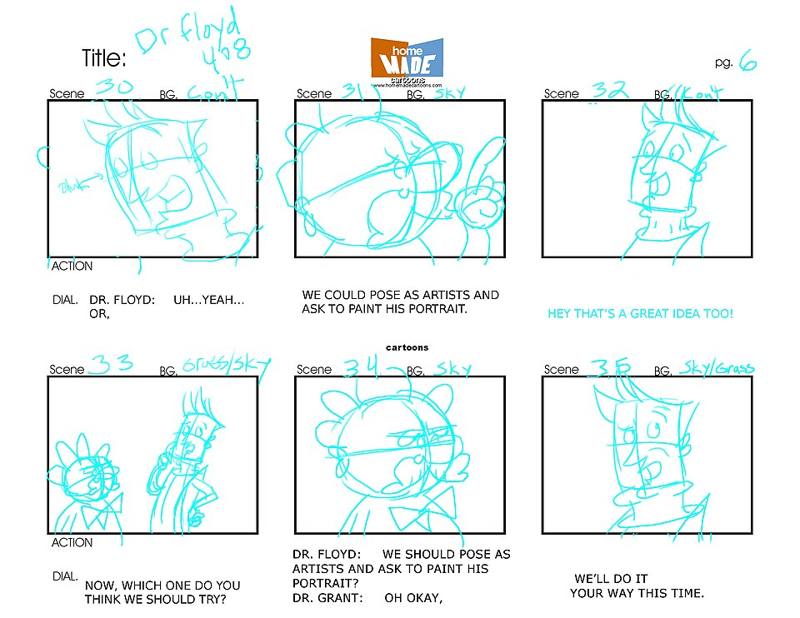
| Storyboard | Comic-style drawings of each shot | Action, effects, complex scenes |
| Previs | Rough 3D animation of a sequence | Big VFX and stunt scenes |
| Lookbook | A collection of reference images for mood and color | Pitching and aligning the team |
| Camera tests | Short test shoots of lenses, film stock, makeup and costumes | Locking the final look |
Storyboards grew out of animation studios in the 1930s and spread to live action because they let a whole crew "see" a shot before anyone builds anything.
Rehearsals and tests
Many directors rehearse with actors before the shoot, sometimes just reading the script around a table, sometimes blocking scenes on the actual set. The camera and lighting teams test lenses and filters (see cameras and lenses), costume fittings take place, and stunt teams rehearse with performers in safe, controlled conditions.
The production meeting
Just before the shoot, the whole team gathers for a production meeting and walks through the schedule day by day. Every department confirms what it needs and when. After that, principal photography begins.
Next time you watch a film with a long single take, remember that it was probably planned for weeks with storyboards, rehearsals and a precise lighting plan.