The blockbuster era: summer hits, franchises and global box office
Since the mid-1970s, the movie business has revolved around huge event films released everywhere at once. Here is how the blockbuster model works and how it grew from Jaws to global franchises.
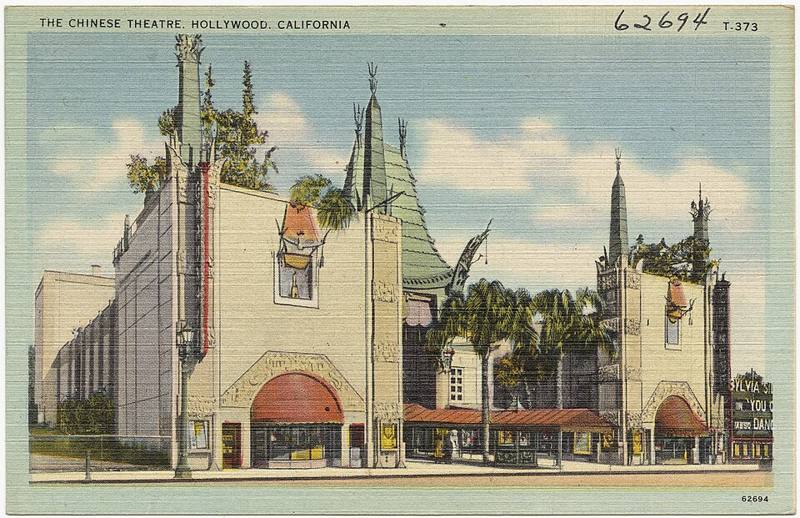
A blockbuster is a big-budget film designed to reach the widest possible audience, released on thousands of screens at once and backed by a large marketing campaign. The model took shape in the mid-1970s and still drives most of the global box office.
Jaws and the wide release
Before the mid-1970s, big studio films usually opened slowly. They played in a few city-center cinemas first, then spread gradually to other theaters over months. Jaws, released in June 1975, broke that pattern. It opened in several hundred theaters at once, supported by a national television advertising campaign, and became the highest-grossing film up to that time.
Jaws established several ideas that are still standard:
- The summer release. School holidays mean big audiences, so summer became the season for event films.
- Saturation booking. Opening everywhere at once, so marketing works nationally.
- TV advertising. Heavy spending on commercials in the weeks before release.
- The opening weekend. Success began to be measured by the first three days.
Star Wars and the franchise
Star Wars (1977) went even further. It became a cultural event, broke the box office record set by Jaws and showed the enormous value of toys, books, clothing and sequels. George Lucas had negotiated to keep the merchandising and sequel rights, which proved to be worth far more than his directing fee.
From then on, studios looked for stories that could support sequels, spin-offs and products. A successful film became the start of a series, and by the 2000s, a "franchise" or shared universe of connected films had become the main strategy of several studios.
Milestones of the blockbuster age
| Year | Milestone | Why it mattered |
|---|---|---|
| 1975 | Jaws | Wide release and TV marketing became the model |
| 1977 | Star Wars | Merchandising and sequels became central to the business |
| 1982 | E.T. the Extra-Terrestrial | Became the highest-grossing film of its time |
| 1993 | Jurassic Park | Showed what computer-generated creatures could do |
| 1997 | Titanic | First film to pass 1 billion US dollars worldwide |
| 2009 | Avatar | Drove the boom in digital 3D and became the top-grossing film |
Avatar was overtaken briefly in 2019 and regained the top spot after a re-release in China in 2021.
The multiplex and premium formats
Blockbusters grew together with the multiplex, a cinema with many screens under one roof. Multiplexes let a big film play on several screens with frequent start times in its opening weeks, then move to smaller rooms as demand drops. They spread through the United States and Europe in the 1970s and 1980s and later across Asia, Latin America and the Middle East.
Since the 2000s, blockbusters have also been the main content for premium formats like IMAX, Dolby Atmos, 3D, 4DX and ScreenX. These tickets cost more, and big event films are the ones audiences are most willing to pay extra for.
Going global
In the 1970s, the US and Canada market made up most of a Hollywood film's earnings. Today, international markets usually account for the larger share of a major release's worldwide box office. Studios plan release dates, marketing and sometimes casting with the global audience in mind, and big titles often open in many countries on the same day or within a few days.
New markets have also grown fast. China built tens of thousands of screens in the 2010s, and cinemas reopened in Saudi Arabia in 2018, quickly becoming one of the fastest-growing markets in the Middle East. See Saudi cinema.
Visual effects as the star
The blockbuster era is closely tied to effects technology. Jurassic Park (1993) combined animatronic dinosaurs with groundbreaking computer-generated imagery, and later films pushed digital characters, entire digital environments and performance capture. Read more in visual effects.
Criticism and balance
Critics argue that the blockbuster model pushes out mid-budget dramas and comedies, makes studios cautious and favors sequels over original stories. Supporters reply that event films keep cinemas open and pay for many smaller projects. Either way, the economics are worth understanding: see how box office works.
Box office records are usually listed without adjusting for inflation. Adjusted for ticket price increases, older hits such as Gone with the Wind (1939) rank far higher than raw numbers suggest.