Italian neorealism
After 1945, Italian filmmakers took cameras into real streets with real people and changed how the whole world thought about realism on screen.
What neorealism was
Italian neorealism was a film movement that flourished roughly from 1943 to the early 1950s. Its directors rejected the glossy studio comedies and costume dramas that had dominated Italian screens and instead filmed ordinary lives: workers, children, pensioners and families trying to get through hard times after years of upheaval.
The word "neorealism" means "new realism." The new part was not only the subject matter but the method. Films were shot on location in city streets and villages, often with non-professional actors, natural light and simple, unshowy camera work. The goal was to make the audience feel they were watching life itself rather than a story built on a soundstage.
Why it happened when it did
Several practical and artistic forces met at the same moment:
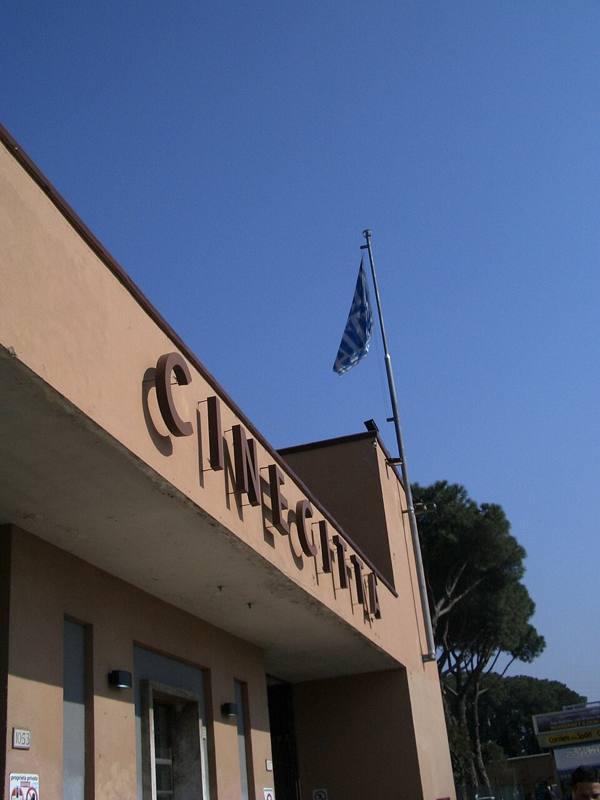
- Damaged studios. Cinecitta, the huge studio complex opened in Rome in 1937, was out of action for regular filmmaking for a period after the war. Location shooting was partly a necessity.
- Cheap means. Film stock and money were scarce. Shooting in real places with real people cost less than building sets and hiring stars.
- A new generation of writers and critics. Many neorealist filmmakers had written for film magazines and argued that cinema should show the world honestly.
- Screenwriter Cesare Zavattini. Zavattini, who wrote several of Vittorio De Sica's most famous films, argued that the ideal film would follow an ordinary person through an ordinary day without inventing dramatic twists.
Luchino Visconti's Ossessione (1943) is often named as a forerunner, because it moved a crime story out of the studio and into the flat landscapes of the Po valley.
Key films to know
| Film | Year | Director | Why it matters |
|---|---|---|---|
| Rome, Open City | 1945 | Roberto Rossellini | Shot in the streets of Rome soon after liberation; announced the movement internationally |
| Shoeshine | 1946 | Vittorio De Sica | Two boys in Rome; received an honorary Academy Award |
| Paisan | 1946 | Roberto Rossellini | Six episodes across Italy, mixing professional and non-professional actors |
| Bicycle Thieves | 1948 | Vittorio De Sica | A father and son search Rome for a stolen bicycle; the movement's best-known film |
| La Terra Trema | 1948 | Luchino Visconti | Sicilian fishermen played by real fishermen speaking their own dialect |
| Umberto D. | 1952 | Vittorio De Sica | A retired man and his dog; often called the purest neorealist film |
Bicycle Thieves in particular has topped critics' polls of the greatest films ever made, and its simple premise is still taught in film schools as an example of how a small story can carry enormous emotional weight.
The neorealist toolkit
If you watch a neorealist film you will notice a set of recurring choices:
- Real locations. Streets, apartments, markets and fields rather than studio sets.
- Non-professional actors. The father in Bicycle Thieves, Lamberto Maggiorani, was a factory worker.
- Everyday problems. Unemployment, housing, poverty and dignity rather than heroic adventure.
- Open endings. Stories often stop without neat resolution, because life does not resolve neatly.
- Post-synchronized sound. Much Italian dialogue of the period was recorded afterwards in a studio, a practical choice that let crews shoot freely outdoors. You can read more about recording on set in our guide to film sound.
Influence around the world
Neorealism faded in Italy in the early 1950s as the economy recovered and audiences turned to comedies. Its leading directors moved on: Rossellini to more personal dramas, Visconti to lavish period films, and a younger generation including Federico Fellini (who co-wrote Rome, Open City) and Michelangelo Antonioni developed their own styles.
The influence, though, spread everywhere:
- The critics who became the French New Wave admired Rossellini enormously.
- Satyajit Ray said that seeing Bicycle Thieves in London helped convince him to make Pather Panchali (1955), a landmark of Indian cinema.
- Iranian, Latin American and many independent filmmakers have drawn on the same principles of location shooting and non-professional casting.
- The handheld, on-location look of New Hollywood in the late 1960s and 1970s owes a debt to it too.
Cinecitta is still a working studio in Rome, and many international productions have filmed there since the 1950s.
How to start watching
Begin with Bicycle Thieves: it is short, moving and easy to follow. Then try Umberto D. for something quieter, and La Terra Trema if you want to see how far the movement could push realism. Add the films to your cinephile starter checklist and look for restored versions, which often come with useful introductions by film historians.