Film Guides / Watching smarter
Choosing seats and formats
Where to sit for the best picture and sound, which premium format suits which kind of film, and how to decide whether IMAX, Dolby, 4DX or a standard screen is worth the extra cost.
The same film can feel very different depending on the screen and the seat. With a little planning, you can match the format to the film and pick a seat that gives you the picture and sound the filmmakers intended.
The general rule for seats
For most auditoriums, aim for the center of the row, about two-thirds of the way back from the screen. There are good reasons:
- Sound: cinema sound is often mixed and calibrated with a reference position near the center of the room, roughly two-thirds back. Sitting near there gives a balanced mix.
- Picture: you can see the whole screen without turning your head, and the image fills a comfortable portion of your view.
- Comfort: you avoid the steep neck angle of the front rows.
Industry recommendations for viewing angle vary, but many cinema design guides suggest the screen should fill somewhere around 30 to 40 degrees of your horizontal field of view for an immersive yet comfortable experience.
Seat advice by format
| Format | Where to sit | Why |
|---|---|---|
| Standard digital | Center, about two-thirds back | Balanced sound and full view |
| IMAX (large screens) | Center, roughly halfway back or a bit closer | Tall screen should fill your view; too far back loses the effect |
| Dolby Cinema / Atmos | Center of the room | Overhead and surround speakers are balanced there; see Dolby Atmos |
| 4DX | Center rows | Motion seats and effects are designed around the main screen |
| ScreenX | Middle to back, center | You need to see the side wall projections |
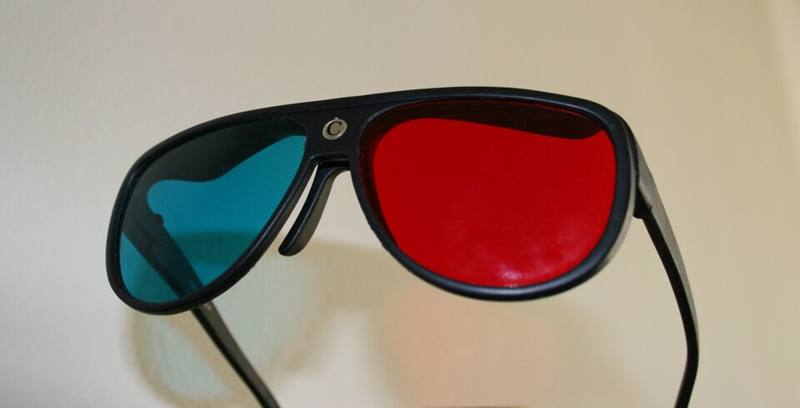
| 3D | Center, not too close | Reduces eye strain and ghosting |
Matching the format to the film
| Type of film | Format worth considering |
|---|---|
| Huge spectacle, especially if filmed with IMAX cameras | IMAX, ideally a large laser or 70mm venue; see IMAX |
| Dark, moody visuals and powerful sound | Dolby Cinema, for deep blacks and Atmos sound |
| Fun ride-like action | 4DX, if you enjoy motion, wind and water effects |
| Sweeping landscapes in scope | A large standard or premium screen with a wide native shape |
| Dialogue-driven drama or comedy | Standard screen; save your money |
Look for statements from the filmmakers: many say which format best represents their film or which scenes were shot for IMAX. Check whether a film's IMAX version has an expanded aspect ratio.
Not all premium screens are equal
"IMAX" and "premium large format" can mean very different things depending on the venue. A purpose-built IMAX auditorium with a very tall screen and laser projection is a different experience from a converted multiplex screen. Many cinemas also run their own branded premium screens. Before booking, check:
- Screen size and shape (photos and enthusiast forums help)
- Projection type (laser or xenon, 70mm film for special releases)
- Sound system (Dolby Atmos, DTS:X or standard)
- Seat type (recliners can push you further back)
Booking tips
- Book early for opening weekends of big releases, especially in premium formats with limited screens.
- Choose midweek or morning shows for cheaper tickets and quieter rooms.
- Use the seat map to avoid seats right under speakers or at extreme sides.
- Check accessibility options such as captions, audio description and wheelchair spaces when booking.
Avoid the very front rows in any format unless you enjoy extreme immersion. A few rows of extra distance make the image easier to follow without losing impact. Read about cinema etiquette before you go.