Film Guides / Awards and festivals
The Cannes Film Festival explained
Cannes is the world's most prestigious film festival. Learn how films are selected, what the Palme d'Or is, how the sections differ and whether ordinary film fans can attend.
A festival by invitation
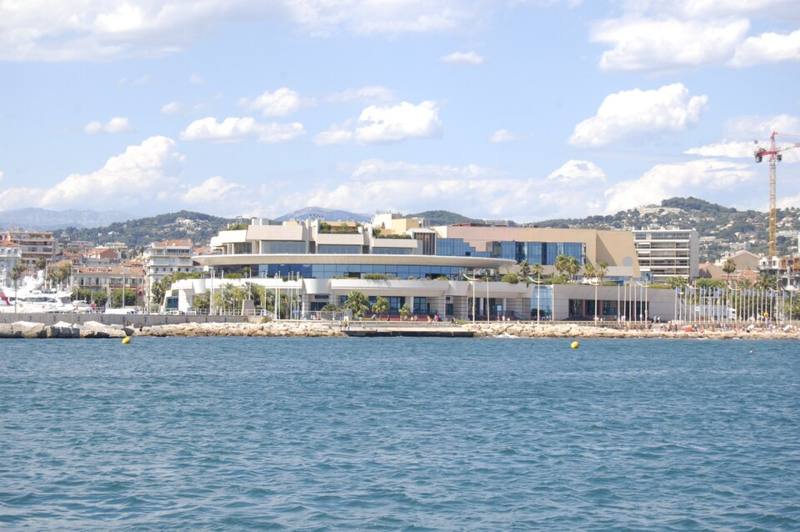
The Festival de Cannes takes place every May in Cannes, a resort town on the French Riviera. It was planned for 1939 but did not take place that year, and the first full edition was held in 1946. Since then it has grown into the most influential film festival in the world, where many of the year's most talked-about films have their world premiere.
Unlike many festivals, Cannes is mainly a professional event. Most screenings are for accredited guests: film industry professionals, press and invited guests. Members of the public can still enjoy part of it, especially the free open-air screenings on the beach known as Cinema de la Plage.
The heart of the festival is the Palais des Festivals et des Congres, a large venue on the seafront boulevard known as the Croisette. Its biggest auditorium, the Grand Theatre Lumiere, hosts the evening gala premieres with their famous red carpet and steps.
The sections
| Section | What it is |
|---|---|
| Official Competition | Around 20 films competing for the Palme d'Or |
| Un Certain Regard | Official section, created in 1978, for original and daring voices, with its own prizes |
| Out of Competition and Special Screenings | Big premieres and special events that do not compete |
| Cannes Premiere | Official section for new work by established filmmakers |
| Cannes Classics | Restored classics and documentaries about cinema |
| Short films and La Cinef | Short film competition and films from film schools |
| Directors' Fortnight and Critics' Week | Independent parallel sections run by other organizations, known for discovering new directors |
| Marche du Film | The film market, where producers and distributors buy and sell films |
The prizes
A jury of filmmakers, actors and other artists, led by a jury president, chooses the winners of the Official Competition. Jury deliberations are private, and the awards are announced at the closing ceremony.
- Palme d'Or: the top prize, awarded since 1955. Before that the top award was called the Grand Prix.
- Grand Prix: effectively the second prize.
- Jury Prize, Best Director, Best Screenplay, Best Actress, Best Actor: awards for specific achievements.
- Camera d'Or: for the best first feature anywhere in the festival's main sections, awarded since 1978.
- Short Film Palme d'Or: for the best short film.
A small group of directors have won the Palme d'Or twice, including Francis Ford Coppola, Ken Loach, Michael Haneke, the brothers Jean-Pierre and Luc Dardenne, and Ruben Ostlund.
Cannes and the rest of the film year
Cannes is a launchpad. A premiere in competition gives a film worldwide press coverage and can lead to sales in dozens of countries at the Marche du Film. Several recent Palme d'Or winners went on to awards success later in the year, most famously Parasite, which won the Palme in 2019 and Best Picture at the Oscars the following year.
The festival also has a long history of championing movements. Francois Truffaut's Best Director award in 1959 helped launch the French New Wave, and many directors from Asia, Africa, Latin America and the Arab world were introduced to international audiences there.
Traditions and rules
- Dress code: evening gala screenings in the Grand Theatre Lumiere have a formal dress code, traditionally black tie.
- Photo rules: in recent years the festival has asked guests not to take selfies on the red carpet steps.
- Standing ovations: the length of the applause after a premiere is widely reported by the press, though it is not an official measure of anything.
- Release rules: films in the Official Competition are expected to have a theatrical release in France, which has led to debates about streaming-only films.
France has a strict schedule for when a film can reach streaming after its cinema release. Our guide to how the box office works explains release windows.
How Cannes compares
Cannes is one of the "big three" European festivals, with Venice, the oldest, and Berlin, the most open to the public. Each has its own character, calendar and prizes, compared side by side in our Berlin guide.